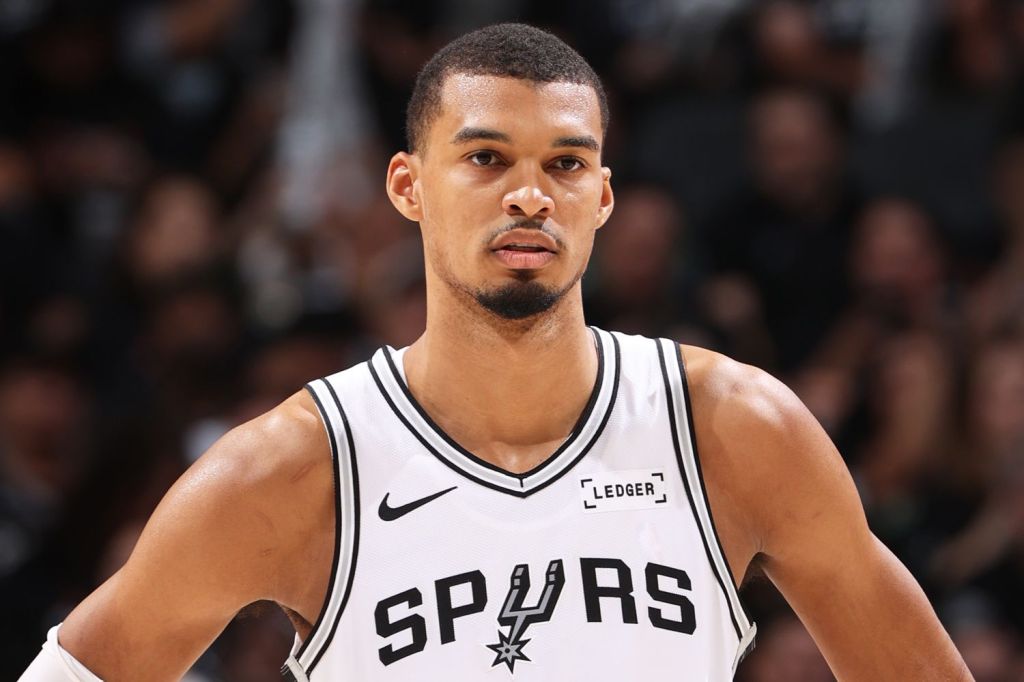
Victor Wembanyama, superstar center for the San Antonio Spurs, was ejected in the second quarter of Game 4 against the Minnesota Timberwolves after swinging his elbow and striking Timberwolves forward Naz Reid in the throat and chin area. Officials deemed the contact excessive and above the neck. Although it was initially ruled a common foul, the play was upgraded after video review to a Flagrant 2, triggering an automatic ejection.
Watching the replay, one cannot help but notice that Wembanyama appeared to direct the blow intentionally. Contact to the head or throat area carries the potential for serious injury, which raises a legitimate question: Was an in-game ejection sufficient punishment? Given the severity of the act, a suspension would not have seemed unreasonable.
Looking back at prior NBA disciplinary cases, a troubling pattern emerges. There appears to be one standard for ordinary players and another for marquee stars. Dwight Howard, while playing for the Orlando Magic, received a one-game suspension for elbowing Samuel Dalembert of the Philadelphia 76ers. Rafer Alston, also with Orlando, was suspended for striking Eddie House in the back of the head during a playoff series against the Boston Celtics.
The contrast invites scrutiny. When lesser-known players commit dangerous acts, suspensions often follow swiftly. When a generational superstar is involved, the league can appear more restrained. Whether fair or not, the perception is that business considerations shape disciplinary outcomes. Fans pay premium ticket prices and expensive cable and streaming fees to watch star players. Owners and networks understand this reality well. Keeping superstars on the floor protects ratings, attendance and revenue.
In the Wembanyama incident, was a simple one-game ejection the fitting penalty, or have our moral and ethical standards been lowered once more?


Leave a Reply