What do the following states have in common: Missouri, Florida, Georgia, Tennessee, Oklahoma, Utah, South Carolina, Pennsylvania, and Texas? These states enacted book bans during the 2021-2022 period. That all book-ban legislation in 2022 took place in Republican-led states may be coincidental—or not. In fact, Florida Gov. Ron DeSantis initiated a measure to ban books in public schools. The American Library Association recorded a record-breaking number of book bans in 2022, marking a 38% increase from the previous year.
Books have been banned for a variety of reasons, including sexual content, offensive language, perceived unsuitability for certain age groups, and religious viewpoints.
The United States is not alone in banning books. History offers numerous examples. For centuries, the English translation of the Bible was banned in England. In 1933, Nazi-dominated student groups went on a spree of burning books they deemed subversive or ideologically opposed to Nazism. James Joyce’s novel Ulysses, considered by many scholars to be one of the greatest works of fiction, was banned in England for its sexual content. Long before that, under China’s Qin Dynasty (213-210 BCE), books were burned and scholars were buried alive to suppress intellectual dissent.
Banning books carries ominous overtones. The phrase saber es poder—knowledge is power—rings true. In the United States, enslaved people were prohibited from learning to read because literacy was seen as a threat that could incite rebellion. Suppressing access to information remains a tool for control.
Take The Adventures of Huckleberry Finn, an American classic widely regarded as an anti-racist novel. Despite this, school districts in New Jersey and Pennsylvania banned the book, citing its use of racial slurs. This reasoning demonstrates a fundamental misunderstanding of the novel’s theme. Perhaps the notion that a white boy would risk his life to help a Black man escape slavery made some school board members uncomfortable. Historically, slave owners protected their power by forbidding literacy among the enslaved. Denying access to books perpetuates ignorance and submission.
Book bans also have profound consequences for education. While schools have the right to determine curricula, students must be free to learn in a way that prepares them for the real world. If books featuring LGBTQ+ characters in an ordinary, forthright manner are banned, are we erasing a part of reality that students will inevitably encounter? Research suggests that a culturally inclusive curriculum benefits all students. Books can transform lives by allowing readers to see themselves reflected in literature. But how can this happen if books are banned?
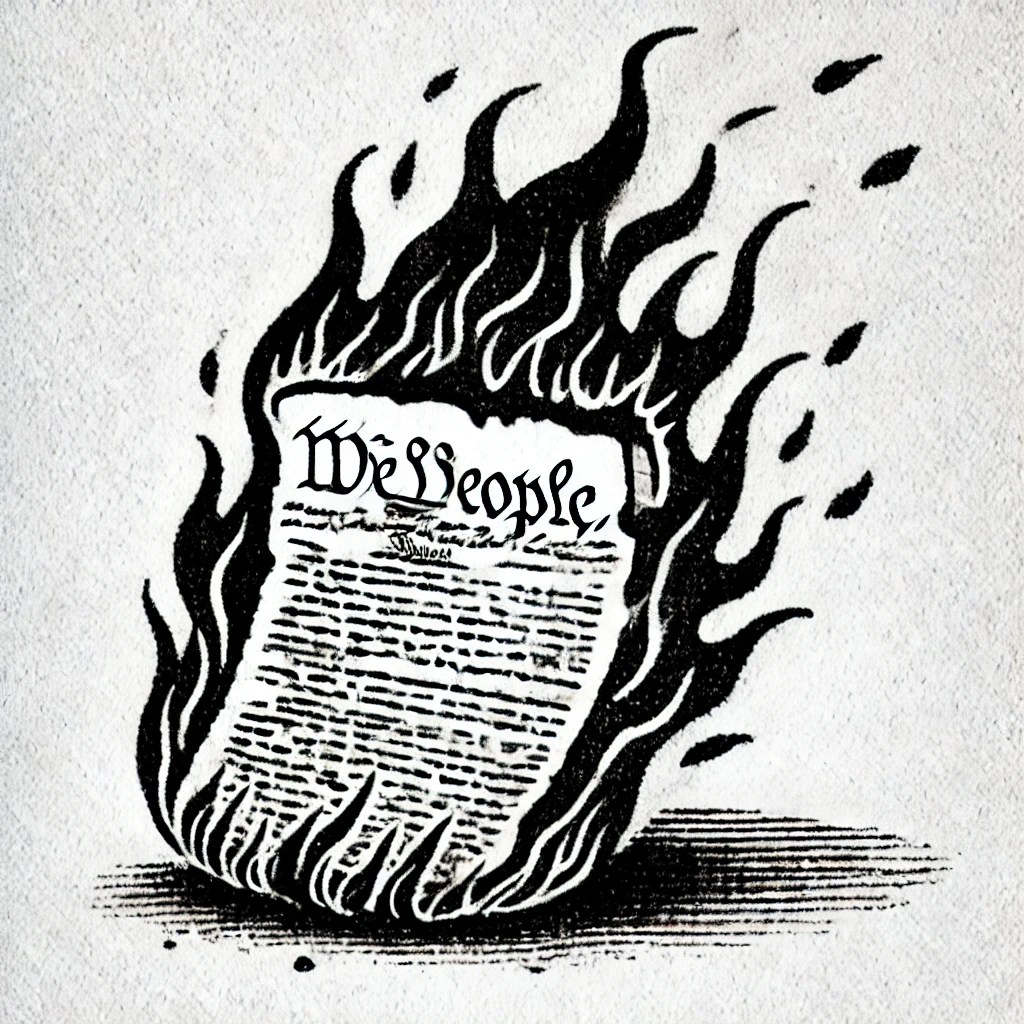
One of the first signs of authoritarianism is censorship, including book bans. Saber es poder—knowledge is power. Ignorance, enforced through censorship, is a tool of subjugation, both psychologically and politically. If our democracy is to endure, we must push back against these bans before the Constitution itself is metaphorically—or literally—thrown onto the fire.


Leave a Reply