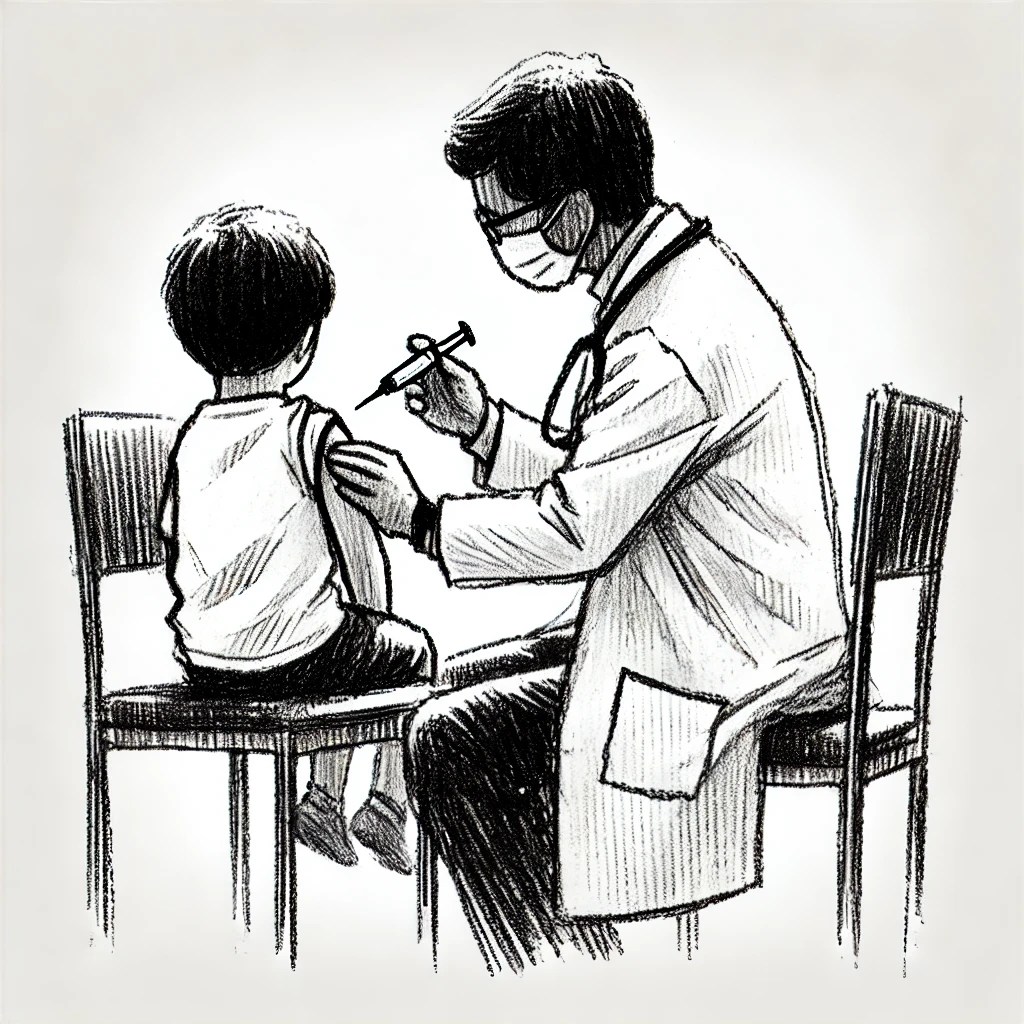
At four years of age, my child is due for polio and measles vaccines. During a visit to the pediatrician, I am told startling news: under a directive from the director of the Board of Health, these vaccines are no longer being administered. “For what reason?” I protest.
“The director does not feel these vaccines do any good,” the pediatrician replies.
“Not effective? Any doctor would disagree. Is the director even a doctor?” I ask, incredulous.
“No,” the pediatrician shakes his head. “She is an environmental lawyer with no medical experience.”
I can’t contain my frustration. “Without these vaccines, my child is at risk of contracting a deadly disease! This policy could cause irreparable harm.”
“I’m just following government policy,” the pediatrician says.
This imagined scenario may seem exaggerated, but its core concern is chillingly plausible.
Polio offers an even starker warning. The Centers for Disease Control and Prevention (CDC) describes it as “once one of the most feared diseases in the United States.” Thanks to vaccines, polio was eradicated in the U.S. decades ago, but its return remains a possibility. Suspending or rolling back polio vaccination programs could undo decades of progress, especially when vaccine hesitancy and misinformation are already significant barriers to public health.
Concerns about vaccine policies are not theoretical. Recently, Aaron Siri, a lawyer with ties to vaccine-skeptic Robert F. Kennedy Jr., filed a petition on behalf of the Consent Action Network to suspend or withdraw approval of polio vaccines for children. Such actions risk politicizing public health decisions, undermining trust in science-based policies. Even Senator Mitch McConnell, a staunch conservative and polio survivor, has warned against policies that could lead to a resurgence of this debilitating disease.
While it is important to acknowledge and address genuine concerns about vaccine safety, the overwhelming evidence from decades of global immunization efforts highlights the critical role vaccines play in preventing disease and saving lives.
A Counter-Point: Balancing Individual Freedom with Public Health
Critics of mandatory vaccination policies often cite personal freedom and bodily autonomy as reasons for opposing such measures. They argue that parents should have the final say in deciding whether their children are vaccinated. This perspective is grounded in a mistrust of government overreach and a desire to safeguard individual rights.
It’s a valid point that public health policies must balance collective welfare with respect for personal liberties. However, infectious diseases like polio and measles do not respect individual boundaries. When vaccination rates drop below critical thresholds, herd immunity is compromised, leaving vulnerable populations—including infants and immunocompromised individuals—at greater risk. In this context, personal decisions have far-reaching consequences for public health.
To bridge this divide, policymakers and public health officials must engage in transparent communication, addressing vaccine concerns with empathy and evidence. Education campaigns that emphasize the benefits of vaccines, coupled with policies that incentivize rather than mandate immunization, could help build trust and increase coverage.
Lessons from the Pandemic
The COVID-19 pandemic demonstrated the catastrophic consequences of delayed or ineffective public health responses. Vaccine rollouts, while ultimately successful, faced hurdles due to misinformation and political interference. These challenges underscore the importance of maintaining robust, science-driven immunization programs to prevent future outbreaks of preventable diseases like polio and measles.
In the imagined scenario, my horror stemmed from the idea of unqualified individuals making life-and-death decisions for millions. In reality, ensuring that public health policies are informed by medical expertise and grounded in scientific evidence is crucial. At the same time, fostering a dialogue that respects differing perspectives and prioritizes public trust is essential for safeguarding the health of our communities.
The nightmare of losing access to life-saving vaccines should remain firmly in the realm of fiction. But vigilance, informed debate, and unwavering commitment to public health are necessary to ensure it doesn’t become reality.
 Robert Gamer: Author & Activist
Leave a comment